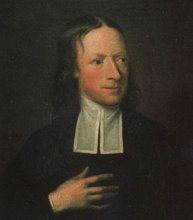
April 26, 1738. — Rev. John Wesley left the appointment of him by Trustees to
perform religious services in Georgia. The authority granted him ordered to be
revoked.

From the Minutes of the Trustees Feb 22, 1738
Feb. 22, 1737-8. — Rev. John Wesley delivered a narrative relating to the complaints
of Mrs. Williamson and three certificates signed by three persons.
of Mrs. Williamson and three certificates signed by three persons.
From the Minutes of the Trustees Dec 21, 1737
Dec. 21, 1737. — Read an instruction from the King, appointing that in the
morning and evening prayers in the Litany, as well as in the occasional offices,
in the Book of Common Prayer, where the Royal Family is appointed to be particularly
prayed for, the following Form and Order : " Their Royal Highnesses
Frederic Prince of Wales, the Princess of Wales, the l)uke, the Princess, and
all the Royal Family," be forthwith published in all the parish churches and
other places of Divine worship in the Colony of Georgia, and that obedience be
paid thereto accordingly.
Ordered: That a License be made out for the Rev. Mr. George Whitefield to
perform Ecclesiastical offices in Georgia, as a deacon in the Church of England.
morning and evening prayers in the Litany, as well as in the occasional offices,
in the Book of Common Prayer, where the Royal Family is appointed to be particularly
prayed for, the following Form and Order : " Their Royal Highnesses
Frederic Prince of Wales, the Princess of Wales, the l)uke, the Princess, and
all the Royal Family," be forthwith published in all the parish churches and
other places of Divine worship in the Colony of Georgia, and that obedience be
paid thereto accordingly.
Ordered: That a License be made out for the Rev. Mr. George Whitefield to
perform Ecclesiastical offices in Georgia, as a deacon in the Church of England.
From the Minutes of the Trustees Dec 7, 1737
Dec. 7, 1737. — Several letters were read from Mr. Williamson at Savannah,
complaining of the Rev. John Wesley having refused the Sacrament to his wife,
Mrs. Sophia Williamson, with affidavit of latter thereupon, and two presentments
of thu Grand Jury of the Rev. John Wesley for said refusal, and for several other
facts laid to his charge.
Ordered : That copies of said letters and affidavit be sent over to the Rev. Mr.
John Wesley, desiring him to return his answers to the same as soon as possible :
and that a letter be sent to Mr. Williamson to acquaint him of said copies being
sent to Mr. Wesley, and that, if he has anything new to lay before the Trustees,
he should show it first to Mr. VVesley, and then send it over to them ; and that
the Trustees think he should not have made his application to the world, by advertising
his complaints, before he had acquainted the Trustees with them.
complaining of the Rev. John Wesley having refused the Sacrament to his wife,
Mrs. Sophia Williamson, with affidavit of latter thereupon, and two presentments
of thu Grand Jury of the Rev. John Wesley for said refusal, and for several other
facts laid to his charge.
Ordered : That copies of said letters and affidavit be sent over to the Rev. Mr.
John Wesley, desiring him to return his answers to the same as soon as possible :
and that a letter be sent to Mr. Williamson to acquaint him of said copies being
sent to Mr. Wesley, and that, if he has anything new to lay before the Trustees,
he should show it first to Mr. VVesley, and then send it over to them ; and that
the Trustees think he should not have made his application to the world, by advertising
his complaints, before he had acquainted the Trustees with them.
From the Minutes of the Trustees Nov 9, 1737
Nov. 9, 1737. — Received from Major William Cook 16 different sorts of vine
cuttings from France, for the use of the Colony.
cuttings from France, for the use of the Colony.
August 16, 1737 -- The Charges Against John Wesley
Tuesday, 16.—Mrs. Williamson swore to and signed an affidavit insinuating much more than it asserted; but asserting that Mr. Wesley had many times proposed marriage to her, all which proposals she rejected. Of this I desire a copy. Mr. Causton replied: “Sir, you may have one from any of the newspapers in America.”
On Thursday and Friday was delivered out a list of twenty-six men, who were to meet as a grand jury on Monday, the twenty-second. But this list was called in the next day, and twenty-four names added to it. Of this grand jury (forty-four of whom only met), one was a Frenchman, who did not understand English; one a Papist, one a professed infidel, three Baptists, sixteen or seventeen other Dissenters, and several others who had personal quarrels against me and had openly vowed revenge.
To this grand jury, on Monday, 22, Mr. Causton gave a long and earnest charge “to beware of spiritual tyranny, and to oppose the new, illegal authority which was usurped over their consciences.” Then Mrs. Williamson’s affidavit was read; after which, Mr. Causton delivered to the grand jury a paper, entitled:
“A List of grievances, presented by the grand jury for Savannah, this day of August, 1737.”
This the majority of the grand jury altered in some particulars, and on Thursday, September 1, delivered it again to the court, under the form of two presentments, containing ten bills, which were then read to the people.
Herein they asserted, upon oath, “That John Wesley, clerk, had broken the laws of the realm, contrary to the peace of our Sovereign Lord the King, his crown and dignity.
“1. By speaking and writing to Mrs. Williamson against her husband’s consent.
“2. By repelling her from the holy communion.
“3. By not declaring his adherence to the Church of England.
“4. By dividing the morning service on Sundays.
“5. By refusing to baptize Mr. Parker’s child, otherwise than by dipping, except the parents would certify it was weak and not able to bear it.
“6. By repelling William Gough from the holy communion.
“7. By refusing to read the burial service over the body of Nathaniel Polhill.
“8. By calling himself Ordinary of Savannah.
“9. By refusing to receive William Aglionby as a godfather, only because he was not a communicant.
“10. By refusing Jacob Matthews for the same reason; and baptizing an Indian trader’s child with only two sponsors.” (This, I own, was wrong; for I ought, at all hazards, to have refused baptizing it till he had procured a third.)
Friday, September 2.—Was the third court at which I appeared since my being carried before Mr. P. and the Recorder.
I now moved for an immediate hearing on the first bill, being the only one of a civil nature; but it was refused. I made the same motion in the afternoon, but was put off till the next court-day.
On the next court-day I appeared again, as also at the two courts following, but could not be heard, because (the Judge said) Mr. Williamson was gone out of town.
The sense of the minority of the grand jurors themselves (for they were by no means unanimous) concerning these presentments may appear from the following paper, which they transmitted to the trustees:
To the Honorable the Trustees for Georgia.
“Whereas two presentments have been made: the one of August 23, the other of August 31, by the grand jury for the town and county of Savannah, in Georgia, against John Wesley, Clerk.
“We whose names are underwritten, being members of the said grand jury, do humbly beg leave to signify our dislike of the said presentments; being, by many and divers circumstances, thoroughly persuaded in ourselves that the whole charge against Mr. Wesley is an artifice of Mr. Causton’s, designed rather to blacken the character of Mr. Wesley than to free the colony from religious tyranny, as he was pleased, in his charge to us, to term it. But as these circumstances will be too tedious to trouble your Honors with, we shall only beg leave to give the reasons of our dissent from the particular bills…..”
On Thursday and Friday was delivered out a list of twenty-six men, who were to meet as a grand jury on Monday, the twenty-second. But this list was called in the next day, and twenty-four names added to it. Of this grand jury (forty-four of whom only met), one was a Frenchman, who did not understand English; one a Papist, one a professed infidel, three Baptists, sixteen or seventeen other Dissenters, and several others who had personal quarrels against me and had openly vowed revenge.
To this grand jury, on Monday, 22, Mr. Causton gave a long and earnest charge “to beware of spiritual tyranny, and to oppose the new, illegal authority which was usurped over their consciences.” Then Mrs. Williamson’s affidavit was read; after which, Mr. Causton delivered to the grand jury a paper, entitled:
“A List of grievances, presented by the grand jury for Savannah, this day of August, 1737.”
This the majority of the grand jury altered in some particulars, and on Thursday, September 1, delivered it again to the court, under the form of two presentments, containing ten bills, which were then read to the people.
Herein they asserted, upon oath, “That John Wesley, clerk, had broken the laws of the realm, contrary to the peace of our Sovereign Lord the King, his crown and dignity.
“1. By speaking and writing to Mrs. Williamson against her husband’s consent.
“2. By repelling her from the holy communion.
“3. By not declaring his adherence to the Church of England.
“4. By dividing the morning service on Sundays.
“5. By refusing to baptize Mr. Parker’s child, otherwise than by dipping, except the parents would certify it was weak and not able to bear it.
“6. By repelling William Gough from the holy communion.
“7. By refusing to read the burial service over the body of Nathaniel Polhill.
“8. By calling himself Ordinary of Savannah.
“9. By refusing to receive William Aglionby as a godfather, only because he was not a communicant.
“10. By refusing Jacob Matthews for the same reason; and baptizing an Indian trader’s child with only two sponsors.” (This, I own, was wrong; for I ought, at all hazards, to have refused baptizing it till he had procured a third.)
Friday, September 2.—Was the third court at which I appeared since my being carried before Mr. P. and the Recorder.
I now moved for an immediate hearing on the first bill, being the only one of a civil nature; but it was refused. I made the same motion in the afternoon, but was put off till the next court-day.
On the next court-day I appeared again, as also at the two courts following, but could not be heard, because (the Judge said) Mr. Williamson was gone out of town.
The sense of the minority of the grand jurors themselves (for they were by no means unanimous) concerning these presentments may appear from the following paper, which they transmitted to the trustees:
To the Honorable the Trustees for Georgia.
“Whereas two presentments have been made: the one of August 23, the other of August 31, by the grand jury for the town and county of Savannah, in Georgia, against John Wesley, Clerk.
“We whose names are underwritten, being members of the said grand jury, do humbly beg leave to signify our dislike of the said presentments; being, by many and divers circumstances, thoroughly persuaded in ourselves that the whole charge against Mr. Wesley is an artifice of Mr. Causton’s, designed rather to blacken the character of Mr. Wesley than to free the colony from religious tyranny, as he was pleased, in his charge to us, to term it. But as these circumstances will be too tedious to trouble your Honors with, we shall only beg leave to give the reasons of our dissent from the particular bills…..”
August 11, 1737
Thursday, 11.—Mr. Causton came to my house and, among many other sharp words, said: “Make an end of this matter; thou hadst best. My niece to be used thus! I have drawn the sword and I will never sheath it till I have satisfaction.”
Soon after, he added: “Give the reasons of your repelling her before the whole congregation.” I answered: “Sir, if you insist upon it, I will; and so you may be pleased to tell her.” He said, “Write to her, and tell her so yourself.” I said, “I will”; and after he went I wrote as follows:
“To Mrs. Sophia Williamson
“At Mr. Causton’s request, I write once more. The rules whereby I proceed are these:
“’So many as intend to be partakers of the holy communion, shall signify their names to the curate, at least some time the day before.’ This you did not do.
“’And if any of these have done any wrong to his neighbors, by word or deed, so that the congregation be thereby offended, the curate shall advertise him that in any wise he presume not to come to the Lord’s table until he hath openly declared himself to have truly repented.’
“If you offer yourself at the Lord’s table on Sunday, I will advertise you (as I have done more than once) wherein you have done wrong. And when you have openly declared yourself to have truly repented, I will administer to you the mysteries of God.
“John Wesley
“August 11, 1737”
Mr. Delamotte carrying this, Mr. Causton said, among many other warm sayings: “I am the person that is injured. The affront is offered to me; and I will espouse the cause of my niece. I am ill used, and I will have satisfaction, if it be to be had in the world.”
Which way this satisfaction was to be had, I did not yet conceive; but on Friday and Saturday it began to appear; Mr. Causton declared to many persons that “Mr. Wesley had repelled Sophy from the holy communion purely out of revenge, because he had made proposals of marriage to her which she rejected, and married Mr. Williamson.”
Soon after, he added: “Give the reasons of your repelling her before the whole congregation.” I answered: “Sir, if you insist upon it, I will; and so you may be pleased to tell her.” He said, “Write to her, and tell her so yourself.” I said, “I will”; and after he went I wrote as follows:
“To Mrs. Sophia Williamson
“At Mr. Causton’s request, I write once more. The rules whereby I proceed are these:
“’So many as intend to be partakers of the holy communion, shall signify their names to the curate, at least some time the day before.’ This you did not do.
“’And if any of these have done any wrong to his neighbors, by word or deed, so that the congregation be thereby offended, the curate shall advertise him that in any wise he presume not to come to the Lord’s table until he hath openly declared himself to have truly repented.’
“If you offer yourself at the Lord’s table on Sunday, I will advertise you (as I have done more than once) wherein you have done wrong. And when you have openly declared yourself to have truly repented, I will administer to you the mysteries of God.
“John Wesley
“August 11, 1737”
Mr. Delamotte carrying this, Mr. Causton said, among many other warm sayings: “I am the person that is injured. The affront is offered to me; and I will espouse the cause of my niece. I am ill used, and I will have satisfaction, if it be to be had in the world.”
Which way this satisfaction was to be had, I did not yet conceive; but on Friday and Saturday it began to appear; Mr. Causton declared to many persons that “Mr. Wesley had repelled Sophy from the holy communion purely out of revenge, because he had made proposals of marriage to her which she rejected, and married Mr. Williamson.”
August 9
Tuesday, 9.—Mr. Jones, the constable, served the warrant, and carried me before Mr. Bailiff Parker and Mr. Recorder. My answer to them was that the giving or refusing the Lord’s supper being a matter purely ecclesiastical, I could not acknowledge their power to interrogate me upon it. Mr. Parker told me: “However, you must appear at the next Court, holden for Savannah.” Mr. Williamson, who stood by, said: “Gentlemen, I desire Mr. Wesley may give bail for his appearance.” But Mr. Parker immediately replied: “Sir, Mr. Wesley’s word is sufficient.”
August 7, 1737
John did find comfort in a female acquaintance in Georgia in Sophy Hopkey. But he was concerned that settling down would hurt his ministry. He wanted to evangelize the natives first. After a year, Sophy was getting impatient. Finally, In March 1737 she made it known that she was going to marry another if Wesley had no objection. One of the things Wesley did when it was time to make a decision is to draw lots. During these difficult days of decision, he wrote 3 slips of paper ... marry, think about it after a year, think about it no more. He drew the latter slip of paper and decided that he was correct in not pursuing marriage. When he later refused Sophy communion on August 7, 1737, he became mired in controversy. He claimed he did so for valid reasons, but Sophy's new husband brought him to court for defamation of character. Other charges were levied against him (concocted by people seeking ill will against Wesley). After a while, Wesley could take no more and headed back to England.
From this page.
From this page.
Sunday, August 7
I repelled Mrs. Williamson from the holy communion. and Monday, August 8, Mr. Recorder, of Savannah, issued out the warrant following:
“Georgia. Savannah ss.
“To all Constables, Tithingmen, and others, whom these may concern:
“You, and each of you, are hereby required to take the body of John Wesley, Clerk:
“And bring him before one of the Bailiffs of the said town to answer the complaint of William Williamson and Sophia, his wife, for defaming the said Sophia, and refusing to administer to her the sacrament of the Lord’s supper in a public congregation without cause; by which the said William Williamson is damaged one thousand pound sterling; and for so doing, this is your warrant, certifying what you are to do in the premises. Given under my hand and seal the 8th day of August, Anno. dom. 1737.
Tho. Christie.”
“Georgia. Savannah ss.
“To all Constables, Tithingmen, and others, whom these may concern:
“You, and each of you, are hereby required to take the body of John Wesley, Clerk:
“And bring him before one of the Bailiffs of the said town to answer the complaint of William Williamson and Sophia, his wife, for defaming the said Sophia, and refusing to administer to her the sacrament of the Lord’s supper in a public congregation without cause; by which the said William Williamson is damaged one thousand pound sterling; and for so doing, this is your warrant, certifying what you are to do in the premises. Given under my hand and seal the 8th day of August, Anno. dom. 1737.
Tho. Christie.”
From the Minutes of the Trustees July 27, 1737
July 27, 1737. — Received a benefaction of a person who desired to be unknown,
of a Seal for the Town Court of Savannah, with an Engine or press, &c., value £
2 5s. Town Courts of Savannah and Frederica to be courts of law for trying
offences against the act for preventing the importation and use of rum.
of a Seal for the Town Court of Savannah, with an Engine or press, &c., value £
2 5s. Town Courts of Savannah and Frederica to be courts of law for trying
offences against the act for preventing the importation and use of rum.
Wednesday, 6
—Mr. Causton came to my house, with Mr. Bailiff Parker and Mr. Recorder, and warmly asked, “How could you possibly think I should condemn you for executing any part of your office?” I said short, “Sir, what if I should think it the duty of my office to repel one of your family from the holy communion?” He replied, “If you repel me or my wife, I shall require a legal reason. But I shall trouble myself about none else. Let them look to themselves.”
From the Minutes of the Trustees July 6, 1737
July 6th, 1737. — Received a Receipt from the Bank of England, for twenty
thousand pounds, received by (.he Accountant at the Exchequer, (being so much
granted the last session of Parliament, for the further securing and settling the
colony of Georgia,) and paid in by him this day to the Bank.
thousand pounds, received by (.he Accountant at the Exchequer, (being so much
granted the last session of Parliament, for the further securing and settling the
colony of Georgia,) and paid in by him this day to the Bank.
July 3
Sunday, July 3.—Immediately after the holy communion, I mentioned to Mrs. Williamson (Mr. Causton’s niece) some things which I thought reprovable in her behavior. At this she appeared extremely angry; said she did not expect such usage from me; and at the turn of the street, through which we were walking home, went abruptly away. The next day Mrs. Causton endeavored to excuse her; told me she was exceedingly grieved for what had passed the day before and desired me to tell her in writing what I disliked; which I accordingly did the day following.
But first I sent Mr. Causton the following note:
“Sir,
“To this hour you have shown yourself my friend; I ever have and ever shall acknowledge it. And it is my earnest desire that He who hath hitherto given me this blessing would continue it still.
“But this cannot be, unless you will allow me one request, which is not so easy a one as it appears: do not condemn me for doing, in the execution of my office, what I think it my duty to do.
“If you can prevail upon yourself to allow me this, even when I act without respect of persons, I am persuaded there will never be, at least not long, any misunderstanding between us. For even those who seek it shall, I trust, find no occasion against me, ‘except it be concerning the law of my God.’
But first I sent Mr. Causton the following note:
“Sir,
“To this hour you have shown yourself my friend; I ever have and ever shall acknowledge it. And it is my earnest desire that He who hath hitherto given me this blessing would continue it still.
“But this cannot be, unless you will allow me one request, which is not so easy a one as it appears: do not condemn me for doing, in the execution of my office, what I think it my duty to do.
“If you can prevail upon yourself to allow me this, even when I act without respect of persons, I am persuaded there will never be, at least not long, any misunderstanding between us. For even those who seek it shall, I trust, find no occasion against me, ‘except it be concerning the law of my God.’
April 12
Tuesday, 12.—Being determined, if possible, to put a stop to the proceedings of one in Carolina, who had married several of my parishioners without either banns or license and declared he would do so still, I set out in a sloop for Charleston. I landed there on Thursday, and related the case to Mr. Garden, the Bishop of London’s commissary, who assured me he would take care no such irregularity should be committed for the future.
From the Minutes of the Trustees April 4, 1737
April 4, 1737. — A law was read against the use of gold and silver, in apparel
and furniture, in Georgia, and for preventing extravagance and luxury.
and furniture, in Georgia, and for preventing extravagance and luxury.
Monday, April 4.
Monday, April 4.—I began learning Spanish in order to converse with My Jewish parishioners; some of whom seem nearer the mind that was in Christ than many of those who called Him Lord.
Friday, March 4.
Friday, March 4.—I wrote the trustees for Georgia an account of our year’s expense, from March 1, 1736, to March 1, 1737; which, deducting extraordinary expenses, such as repairing the parsonage house and journeys to Frederica, amounted, for Mr. Delamotte and me, to f 44/4s. 4d.
Tuesday, November 23, 1736
Mr. Oglethorpe sailed for England, leaving Mr. Ingham, Mr. Delamotte, and me at Savannah, but with less prospect of preaching to the Indians than we had the first day we set foot in America. Whenever I mentioned it, it was immediately replied, “You cannot leave Savannah without a minister.”
To this indeed my plain answer was, “I know not that I am under any obligation to the contrary. I never promised to stay here one month. I openly declared both before, at, and ever since, my coming hither that I neither would nor could take charge of the English any longer than till I could go among the Indians.” If it was said, “But did not the trustees of Georgia appoint you to be minister of Savannah?” I replied, “They did; but it was not done by my solicitation: it was done without either my desire or knowledge. Therefore, I cannot conceive that appointment to lay me under any obligation of continuing there any longer than till a door is opened to the heathens; and this I expressly declared at the time I consented to accept of that appointment.”
But though I had no other obligation not to leave Savannah now, yet that of love, I could not break through: I could not resist the importunate request of the more serious parishioners, “to watch over their souls yet a little longer, till someone came who might supply my place.” And this I the more willingly did, because the time was not come to preach the gospel of peace to the heathens, all their nations being in a ferment; and Paustoobee and Mingo Mattaw having told me, in terms, in my own house, “Now our enemies are all about us, and we can do nothing but fight; but if the beloved ones should ever give us to be at peace, then we would hear the great Word.”
To this indeed my plain answer was, “I know not that I am under any obligation to the contrary. I never promised to stay here one month. I openly declared both before, at, and ever since, my coming hither that I neither would nor could take charge of the English any longer than till I could go among the Indians.” If it was said, “But did not the trustees of Georgia appoint you to be minister of Savannah?” I replied, “They did; but it was not done by my solicitation: it was done without either my desire or knowledge. Therefore, I cannot conceive that appointment to lay me under any obligation of continuing there any longer than till a door is opened to the heathens; and this I expressly declared at the time I consented to accept of that appointment.”
But though I had no other obligation not to leave Savannah now, yet that of love, I could not break through: I could not resist the importunate request of the more serious parishioners, “to watch over their souls yet a little longer, till someone came who might supply my place.” And this I the more willingly did, because the time was not come to preach the gospel of peace to the heathens, all their nations being in a ferment; and Paustoobee and Mingo Mattaw having told me, in terms, in my own house, “Now our enemies are all about us, and we can do nothing but fight; but if the beloved ones should ever give us to be at peace, then we would hear the great Word.”
Letter to Samuel, November 23, 1736
['Those who remember God will remember both the episcopacy and every good work.']
SAVANNAH, November 23, 1736. DEAR BROTHER, -- O pray write, and, if it may be, speak, that they may remember Him again who did run well but are now hindered !
I think the rock on which I had the nearest made ship wreck of the faith was the writings of the Mystics; under which term I comprehend all, and only those, who slight any of the means of grace.
I have drawn up a short scheme of their doctrines, partly from conversations I have had, and letters, and partly from their most approved writers, such as Tauler, Molinos, and the author of Theologia Germanica. [Wesley read the Theologia Germanica and other Mystic books on the advice of William Law. For his judgement as to their influence, see Journal, 'i. 420, and ii. 515 for his estimate of the book; see also letter of May 14, 1738, to Law.] I beg your thoughts upon it as soon as you can conveniently; and that you would give me them as particularly, fully, and strongly as your time will permit. They may be of consequence not only to all this province but to nations of Christians yet unborn.
'All means are not necessary for all men; therefore each person must use such means, and such only, as he finds neces sary for him. But since we can never attain our end by being wedded to the same means; therefore we must not obstinately cleave unto anything, lest it become an hindrance, not an help.
'Observe, farther, when the end is attained, the means cease. Now, all the other things enjoined are means to love; and love is attained by them who are in the inferior way, who are utterly divested of free will, of self-love, and self-activity, and are entered into the passive state. These deified men, in whom the superior will has extinguished the inferior, enjoy such a contemplation as is not only above faith, but above sight, such as is entirely free from images, thoughts, and dis course, and never interrupted by sins of infirmity or voluntary distractions. They have absolutely renounced their reason and understanding, else they could not be guided by a divine light. They seek no clear or particular knowledge of anything; but only an obscure, general knowledge, which is far better. They know it is mercenary to look for a reward from God, and inconsistent with perfect love.
'Having thus attained the end, the means must cease. Hope is swallowed up in love. Sight, or something more than sight, takes place of faith. All particular virtues they possess in the essence, being wholly given up to the divine will, and therefore need not the distinct exercise of them.
They work likewise all good works essentially, not accidentally, and use all outward means only as they are moved thereto; and then to obey superiors or to avoid giving offense, but not as necessary or helpful to them.
'Public prayer, or any forms, they need not; for they pray without ceasing. Sensible devotion in any prayer they despise, it being a great hindrance to perfection. The Scripture they need not read; for it is only His letter with whom they converse face to face. And if they do read it now and then, as for expounders, living or dead, reason, philosophy (which only puffs' up, and vainly tries to bind God by logical definitions and divisions), as for knowledge of tongues, or ancient customs, they need none of them, any more than the Apostles did, for they have the same Spirit. Neither do they need the Lord's supper, for they never cease to remember Christ in the most acceptable manner, any more than fasting, since, by constant temperance, they can keep a continual fast.
'You that are to advise them that have not yet attained perfection, press them to nothing, not to self-denial, constant private prayer, reading the Scriptures, fasting, communi cating. If they love heathen poets, let them take their full swing in them. Speak but little to them in the meantime of eternity. If they are affected at any time with what you say, say no more; let them apply it, not you. You may advise them to some religious books, but stop there; let them use them as they please, and form their own reflections upon them without your intermeddling. If one who was religious falls off, let him alone. Either a man is converted to God or not: if he is not, his own will must guide him, in spite of all you can do; if he is, he is so guided by the Spirit of God as not to need your direction.
'You that are yourselves imperfect, know love is your end, All things else are but means. Choose such means as lead you most to love; those alone are necessary for you. The means that others need are nothing to you: different men are led in different ways. And be sure be not wedded to any means. When anything helps you no longer, lay it aside; for you can never attain your end by cleaving obstinately to the same means: you must be changing them continually. Conversa tion, meditation, forms of prayer, prudential rules, fixed return of public or private prayer, are helps to some; but you must judge for yourself. Perhaps fasting may help you for a time, and perhaps the holy communion. But you will be taught by the Holy Spirit and by experience how soon, how often, and how long it is good for you to take it. Perhaps, too, you may need the Holy Scripture. But if you can renounce yourself without reading, it is better than all the reading in the world. And whenever you do read it, trouble yourself about no helps; the Holy Ghost will lead you into all truth.
'As to doing good, take care of yourself first.' When you are converted, then strengthen your brethren. Beware of (what is incident to all beginners) an eager desire to set others a good example. Beware of earnestness to make others feel what you feel yourself. Let light shine as nothing to you. Beware of a zeal to do great things for God. Be charitable first; then do works of charity; do them when you are not dissipated thereby, or in, danger of losing your soul by pride and vanity. Indeed, till: then you can do no good to men's souls; and without that all done to their bodies is nothing. The command of doing good concerns not you yet. Above all, take care never to dispute about any of these points. Disputing can do no good. Is the man wicked Cast not pearls before swine. Is he imperfect ? He that disputes any advice is not yet ripe for it. Is he good? All good men agree in judgment: they differ only in words, which all are in their own nature ambiguous.'
May God deliver you and yours from all error and all unholiness! My prayers will never, I trust, be wanting you. -- I am, dear brother,
My sister's and your most affectionate Brother.
Pray remember me to Philly. [His brother’s daughter, who married Mr. Earle of Barnstaple.]
SAVANNAH, November 23, 1736. DEAR BROTHER, -- O pray write, and, if it may be, speak, that they may remember Him again who did run well but are now hindered !
I think the rock on which I had the nearest made ship wreck of the faith was the writings of the Mystics; under which term I comprehend all, and only those, who slight any of the means of grace.
I have drawn up a short scheme of their doctrines, partly from conversations I have had, and letters, and partly from their most approved writers, such as Tauler, Molinos, and the author of Theologia Germanica. [Wesley read the Theologia Germanica and other Mystic books on the advice of William Law. For his judgement as to their influence, see Journal, 'i. 420, and ii. 515 for his estimate of the book; see also letter of May 14, 1738, to Law.] I beg your thoughts upon it as soon as you can conveniently; and that you would give me them as particularly, fully, and strongly as your time will permit. They may be of consequence not only to all this province but to nations of Christians yet unborn.
'All means are not necessary for all men; therefore each person must use such means, and such only, as he finds neces sary for him. But since we can never attain our end by being wedded to the same means; therefore we must not obstinately cleave unto anything, lest it become an hindrance, not an help.
'Observe, farther, when the end is attained, the means cease. Now, all the other things enjoined are means to love; and love is attained by them who are in the inferior way, who are utterly divested of free will, of self-love, and self-activity, and are entered into the passive state. These deified men, in whom the superior will has extinguished the inferior, enjoy such a contemplation as is not only above faith, but above sight, such as is entirely free from images, thoughts, and dis course, and never interrupted by sins of infirmity or voluntary distractions. They have absolutely renounced their reason and understanding, else they could not be guided by a divine light. They seek no clear or particular knowledge of anything; but only an obscure, general knowledge, which is far better. They know it is mercenary to look for a reward from God, and inconsistent with perfect love.
'Having thus attained the end, the means must cease. Hope is swallowed up in love. Sight, or something more than sight, takes place of faith. All particular virtues they possess in the essence, being wholly given up to the divine will, and therefore need not the distinct exercise of them.
They work likewise all good works essentially, not accidentally, and use all outward means only as they are moved thereto; and then to obey superiors or to avoid giving offense, but not as necessary or helpful to them.
'Public prayer, or any forms, they need not; for they pray without ceasing. Sensible devotion in any prayer they despise, it being a great hindrance to perfection. The Scripture they need not read; for it is only His letter with whom they converse face to face. And if they do read it now and then, as for expounders, living or dead, reason, philosophy (which only puffs' up, and vainly tries to bind God by logical definitions and divisions), as for knowledge of tongues, or ancient customs, they need none of them, any more than the Apostles did, for they have the same Spirit. Neither do they need the Lord's supper, for they never cease to remember Christ in the most acceptable manner, any more than fasting, since, by constant temperance, they can keep a continual fast.
'You that are to advise them that have not yet attained perfection, press them to nothing, not to self-denial, constant private prayer, reading the Scriptures, fasting, communi cating. If they love heathen poets, let them take their full swing in them. Speak but little to them in the meantime of eternity. If they are affected at any time with what you say, say no more; let them apply it, not you. You may advise them to some religious books, but stop there; let them use them as they please, and form their own reflections upon them without your intermeddling. If one who was religious falls off, let him alone. Either a man is converted to God or not: if he is not, his own will must guide him, in spite of all you can do; if he is, he is so guided by the Spirit of God as not to need your direction.
'You that are yourselves imperfect, know love is your end, All things else are but means. Choose such means as lead you most to love; those alone are necessary for you. The means that others need are nothing to you: different men are led in different ways. And be sure be not wedded to any means. When anything helps you no longer, lay it aside; for you can never attain your end by cleaving obstinately to the same means: you must be changing them continually. Conversa tion, meditation, forms of prayer, prudential rules, fixed return of public or private prayer, are helps to some; but you must judge for yourself. Perhaps fasting may help you for a time, and perhaps the holy communion. But you will be taught by the Holy Spirit and by experience how soon, how often, and how long it is good for you to take it. Perhaps, too, you may need the Holy Scripture. But if you can renounce yourself without reading, it is better than all the reading in the world. And whenever you do read it, trouble yourself about no helps; the Holy Ghost will lead you into all truth.
'As to doing good, take care of yourself first.' When you are converted, then strengthen your brethren. Beware of (what is incident to all beginners) an eager desire to set others a good example. Beware of earnestness to make others feel what you feel yourself. Let light shine as nothing to you. Beware of a zeal to do great things for God. Be charitable first; then do works of charity; do them when you are not dissipated thereby, or in, danger of losing your soul by pride and vanity. Indeed, till: then you can do no good to men's souls; and without that all done to their bodies is nothing. The command of doing good concerns not you yet. Above all, take care never to dispute about any of these points. Disputing can do no good. Is the man wicked Cast not pearls before swine. Is he imperfect ? He that disputes any advice is not yet ripe for it. Is he good? All good men agree in judgment: they differ only in words, which all are in their own nature ambiguous.'
May God deliver you and yours from all error and all unholiness! My prayers will never, I trust, be wanting you. -- I am, dear brother,
My sister's and your most affectionate Brother.
Pray remember me to Philly. [His brother’s daughter, who married Mr. Earle of Barnstaple.]
Subscribe to:
Posts (Atom)